Coaching Session Cost Calculator
February 14, 2026
2 min read
Coaching Session Cost Calculator
Plan Your Budget with a Coaching Session Cost Calculator
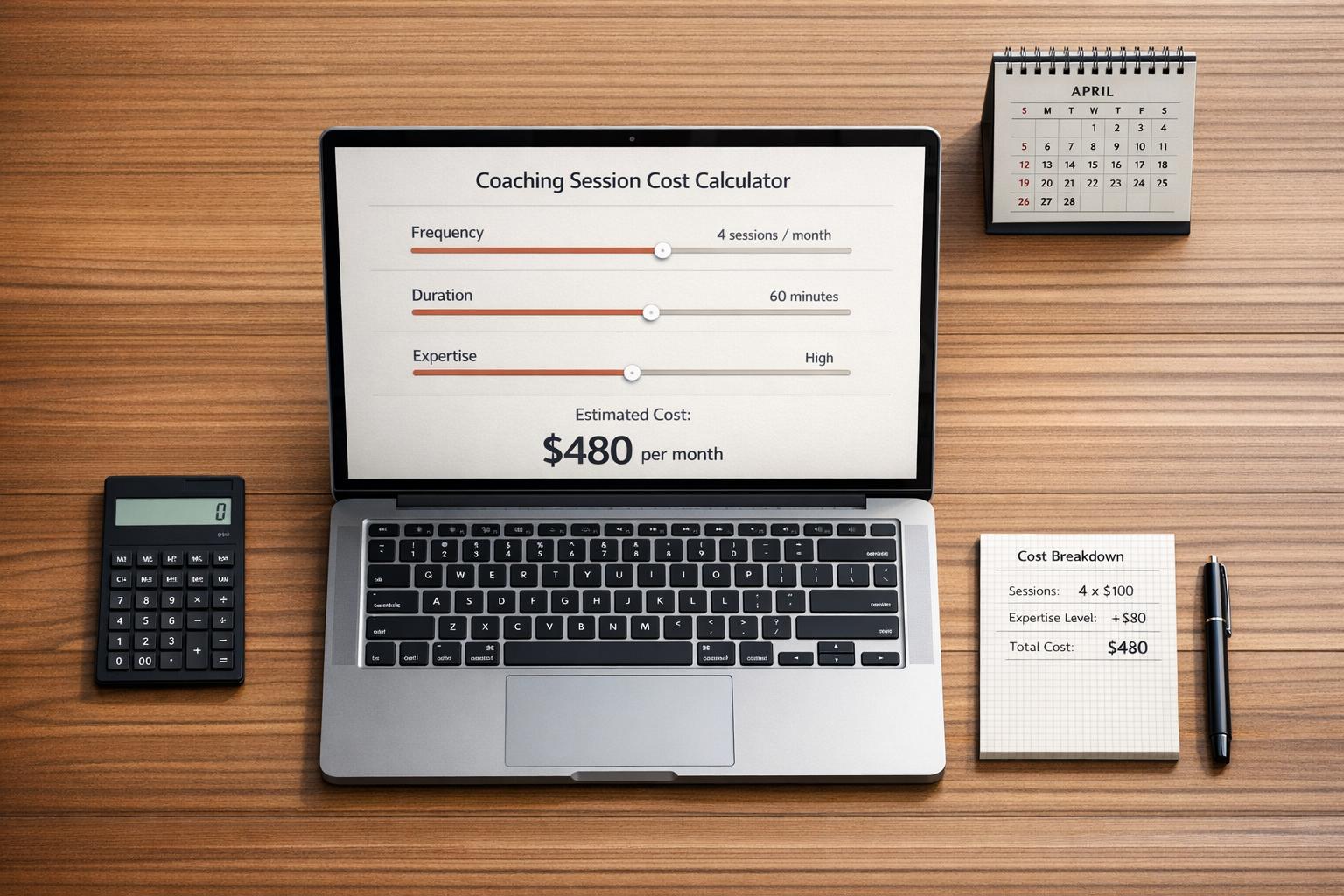
Navigating the world of personal or professional coaching can feel overwhelming, especially when it comes to figuring out the price tag. That’s where a tool to estimate coaching fees comes in handy. It’s designed to help you map out potential expenses based on key details like how often you meet, the length of each meeting, and the expertise of your mentor.
Why Estimating Coaching Costs Matters
Hiring a coach is an investment in yourself, whether you’re seeking guidance on career moves, personal growth, or specific skills. But without a clear idea of the financial commitment, it’s tough to plan. A quick calculation can reveal whether weekly online sessions with a mid-level expert fit your budget or if a bi-weekly in-person setup makes more sense. Beyond just numbers, this kind of clarity lets you focus on finding the right fit instead of stressing over unexpected fees. Plus, understanding typical rates—adjusted for factors like experience or delivery format—empowers you to negotiate or ask informed questions when connecting with potential coaches. Take a moment to crunch the numbers and step into your coaching journey with confidence.
FAQs
How accurate are the cost estimates from this calculator?
Our tool uses average industry rates based on factors like coach experience and session format, so it gives a solid ballpark figure. That said, actual prices can vary widely depending on the specific coach, their niche, or your location. Think of this as a starting point to help you budget or compare options before reaching out for quotes.
Does the tool account for different types of coaching?
Not specifically, since rates for life coaching, career coaching, or executive coaching can differ. We’ve based our estimates on general industry standards across these areas. If you’re looking into a specialized field, you might see some variation in real-world pricing, but this tool still offers a helpful baseline.
Why do online and in-person coaching costs differ?
In-person sessions often cost more because coaches factor in travel time, office space, or other overheads. Online coaching tends to be a bit cheaper since it cuts those expenses and offers more flexibility. Our calculator adjusts for this to reflect typical pricing trends in the industry.